94 Results for "

Artemisia persica Boiss.

" in MedChemExpress (MCE) Product Catalog:
Products (94)

94 Results for "Artemisia persica Boiss." in MCE Product Catalog:

32
32 Publications Verification
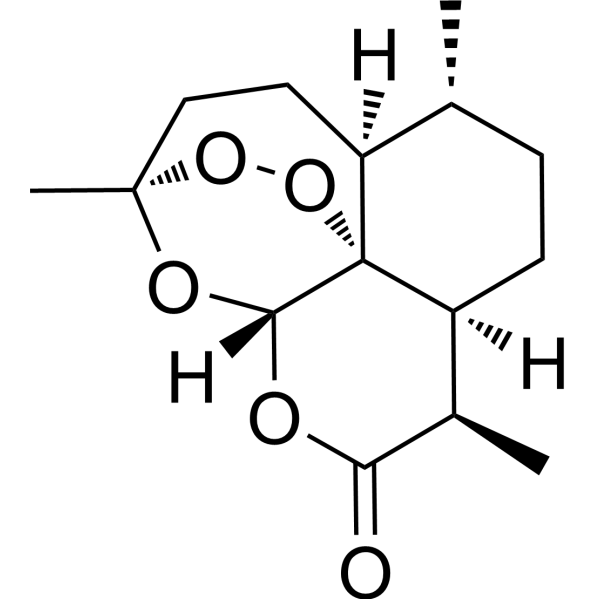
Cat. No.: HY-B0094
CAS No.: 63968-64-9
Synonyms: Qinghaosu; NSC 369397
Artemisinin (Qinghaosu), a sesquiterpene lactone, is an anti-malarial agent isolated from the aerial parts of Artemisia annua L. plants . Artemisinin inhibits AKT signaling pathway by decreasing pAKT in a dose-dependent manner. Artemisinin reduces cancer cell proliferation, migration, invasion, tumorigenesis and metastasis and has neuroprotective effects .
13
13 Cited Publications
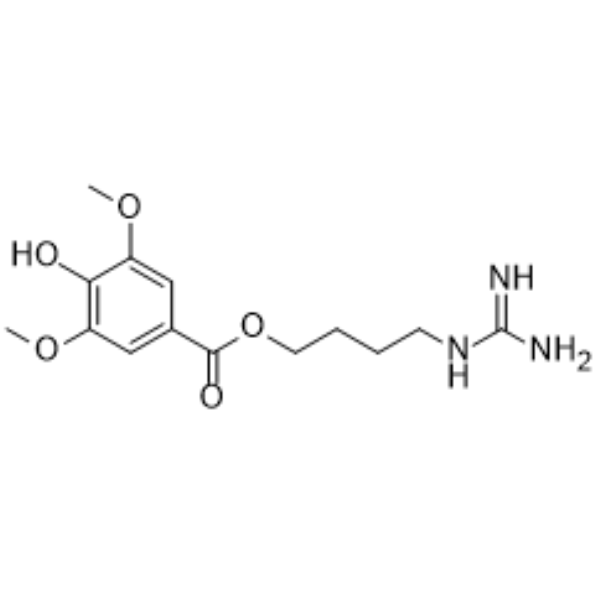
Cat. No.: HY-N0741
CAS No.: 24697-74-3
Synonyms: SCM-198
Leonurine is an alkaloid isolated from Leonurus artemisia, with anti-oxidative and anti-inflammatory.
13
13 Cited Publications
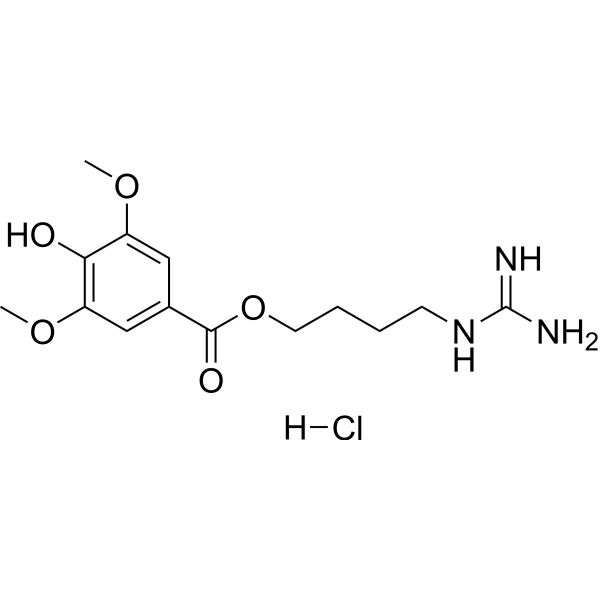
Cat. No.: HY-N0741A
CAS No.: 24735-18-0
Synonyms: SCM-198 hydrochloride
Leonurine hydrochloride is an alkaloid isolated from Leonurus artemisia, with anti-oxidative and anti-inflammatory.
10
10 Cited Publications
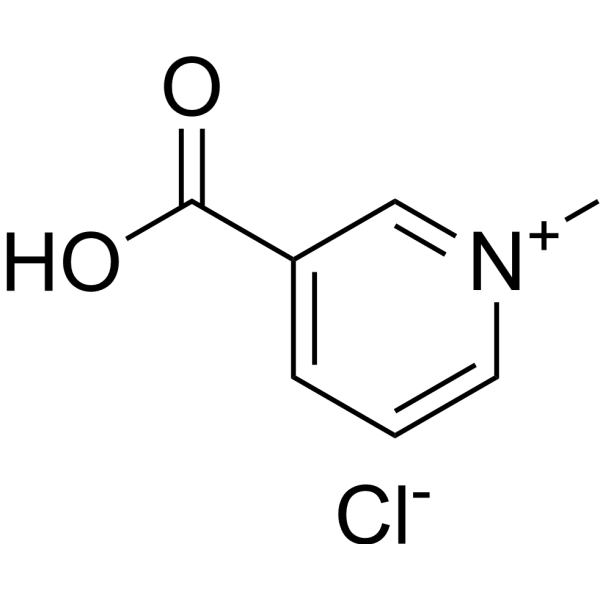
Cat. No.: HY-N0415
CAS No.: 6138-41-6
Synonyms: Trigonelline hydrochloride
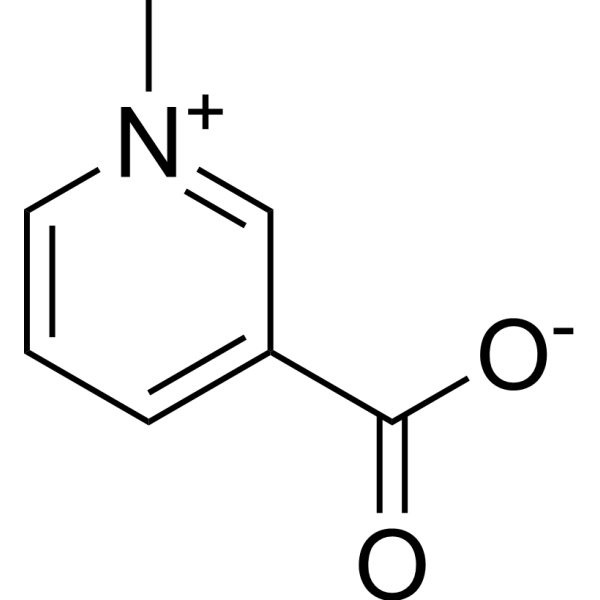
Trigonelline chloride is an alkaloid with potential antidiabetic activity that can be isolated from Trigonella foenum-graecum L or Leonurus artemisia. Trigonelline chloride is a potent Nrf2 inhibitor that blocks Nrf2-dependent proteasome activity, thereby enhancing apoptosis in pancreatic cancer cells. Trigonelline chloride also has anti-HSV-1, antibacterial, and antifungal activity, and induces ferroptosis.
10
10 Cited Publications
Cat. No.: HY-N0414
CAS No.: 535-83-1
Synonyms: Trigenolline
Trigonelline is an alkaloid with potential antidiabetic activity that can be isolated from Trigonella foenum-graecum L or Leonurus artemisia. Trigonelline is a potent Nrf2 inhibitor that blocks Nrf2-dependent proteasome activity, thereby enhancing apoptosis in pancreatic cancer cells. Trigonelline also has anti-HSV-1, antibacterial, and antifungal activity and induces ferroptosis.
9
9 Cited Publications
Cat. No.: HY-N0738
CAS No.: 4136-37-2
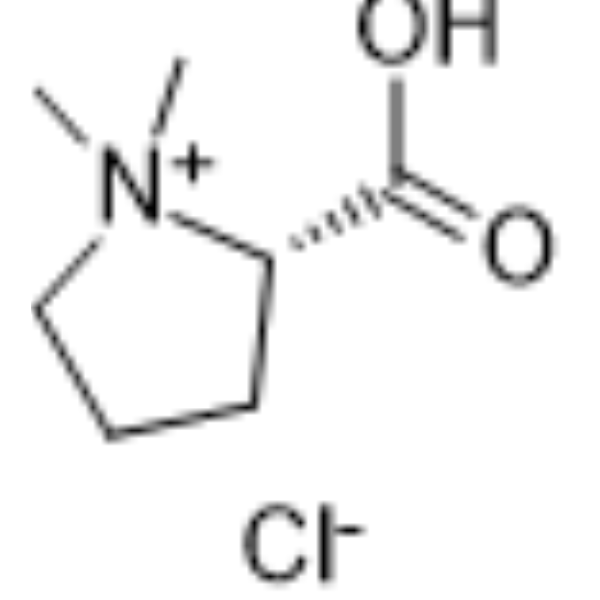
Stachydrine hydrochloride is the major active constituent of Leonurus artemisia, which is a potential therapy for cardiovascular diseases . Stachydrine can inhibit the NF-κB signal pathway. Anti-hypertrophic activities .
8
8 Cited Publications
Cat. No.: HY-N0783
CAS No.: 22368-21-4
Eupatilin, a lipophilic flavonoid isolated from Artemisia argyi Lévl. et Van., is a PPARα agonist, and possesses anti-apoptotic, anti-oxidative and anti-inflammatory activities.
8
8 Cited Publications
Cat. No.: HY-N0783R
CAS No.: 22368-21-4
Eupatilin (Standard) is the analytical standard of Eupatilin. This product is intended for research and analytical applications. Eupatilin, a lipophilic flavonoid isolated from Artemisia argyi Lévl. et Van., is a PPARα agonist, and possesses anti-apoptotic, anti-oxidative and anti-inflammatory activities.
7
7 Cited Publications
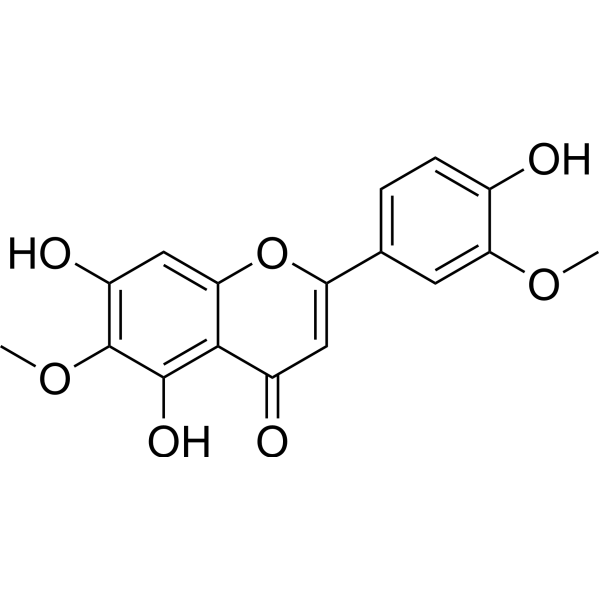
Cat. No.: HY-N0831
CAS No.: 18085-97-7
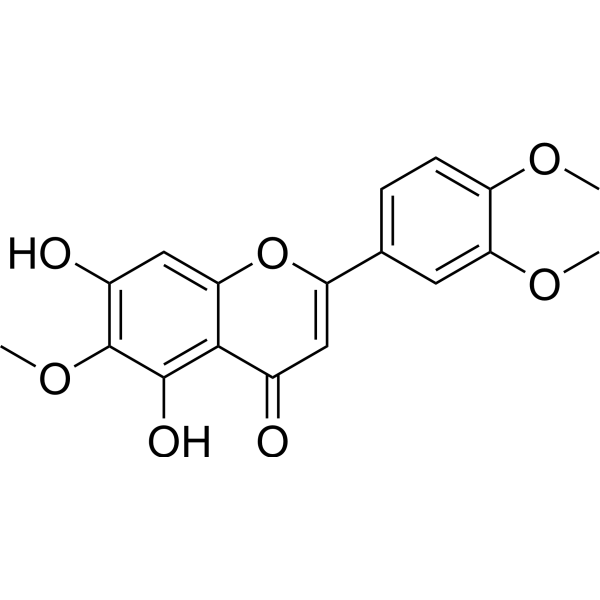
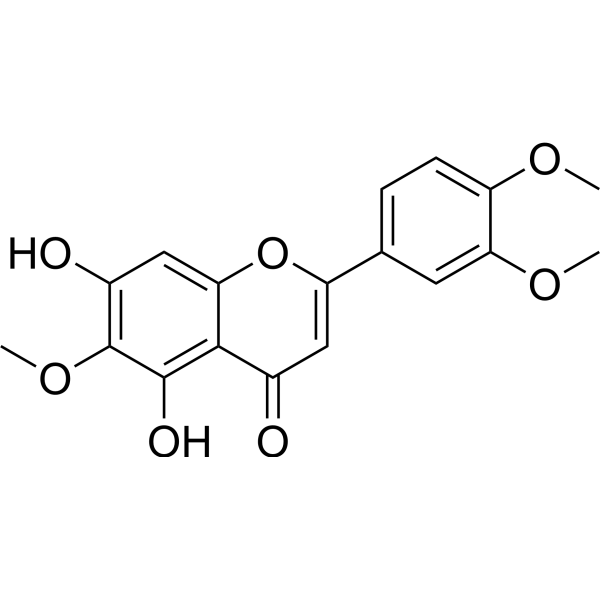
Jaceosidin is a flavonoid isolated from Artemisia vestita, induces apoptosis in cancer cells, activates Bax and down-regulates Mcl-1 and c-FLIP expression . Jaceosidin exhibits anti-cancer , anti-inflammatory activities, decreases leves of inflammatory markers, and suppresses COX-2 expression and NF-κB activation .
7
7 Cited Publications
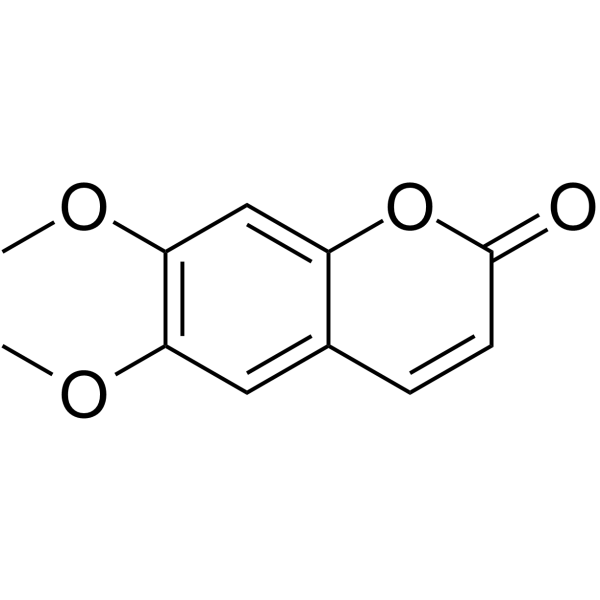
Cat. No.: HY-N0228
CAS No.: 120-08-1
Scoparone is isolated from Artemisia capillaris Thunb., has anticoagulant, vasorelaxant antioxidant, anti-inflammatory activities .
1
1 Cited Publications
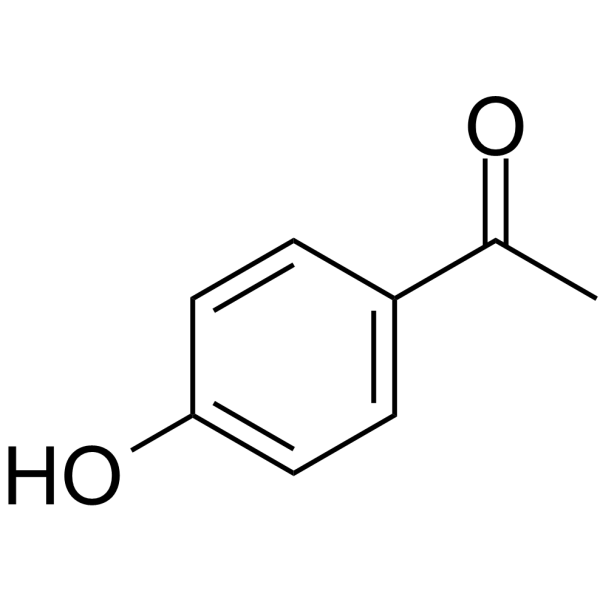
Cat. No.: HY-Y0073
CAS No.: 99-93-4
Synonyms: P-hydroxyacetophenone
4-Hydroxyacetophenone (P-hydroxyacetophenone) is a major hepatoprotective and choleretic compound found in Artemisia and Illicium plants, exhibiting antiviral and anti-inflammatory effects against hepatitis B virus. Additionally, 4-Hydroxyacetophenone inhibits cancer cell adhesion, invasion, and migration by remodeling actin. 4-Hydroxyacetophenone holds promise for research in the fields of inflammatory diseases and cancer .
1
1 Cited Publications
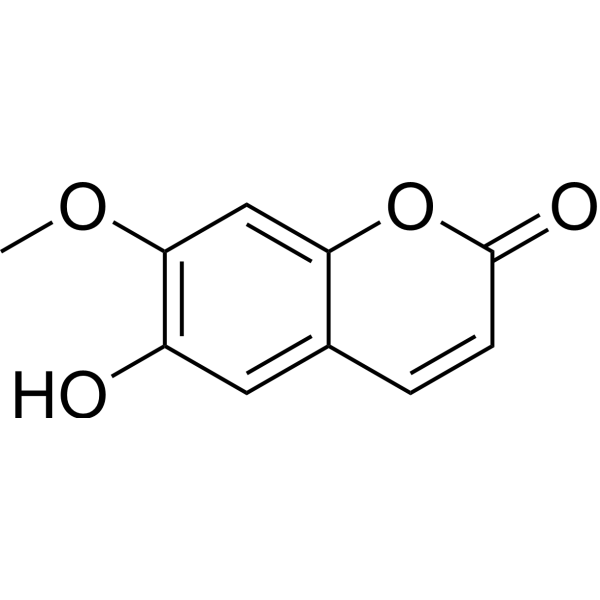
Cat. No.: HY-N1365
CAS No.: 776-86-3
Synonyms: 6-Hydroxy-7-methoxycoumarin
Isoscopoletin (6-Hydroxy-7-methoxycoumarin) is an active constituent in Artemisia argyi leaves. Isoscopoletin shows substantial inhibition against cell proliferation, with IC50s of 4.0 μM and 1.6 μM for human CCRF-CEM leukaemia cells and multidrug resistant subline CEM/ADR5000, respectively . Isoscopoletin (6-Hydroxy-7-methoxycoumarin) possesses inhibitory activity against HBV replication . Isoscopoletin exhibits anti-inflammatory activity through inhibition of MAPK/NF-κB/STAT/AKT signaling pathway .
1
1 Cited Publications
Cat. No.: HY-N6259
CAS No.: 78417-26-2
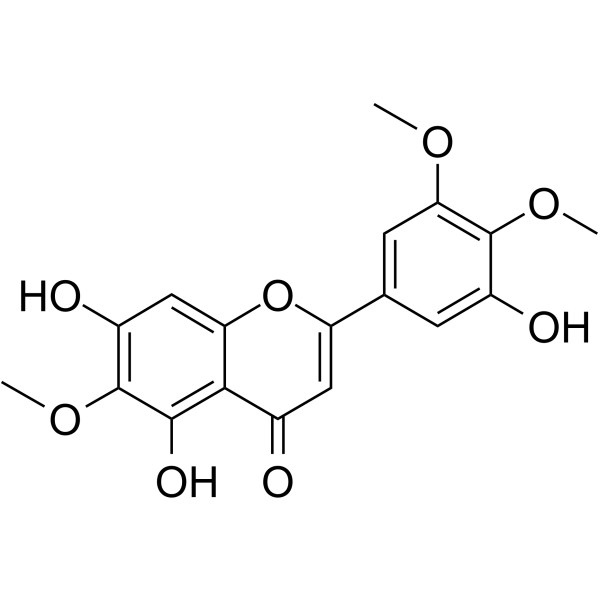
5,7,3'-Trihydroxy-6,4',5'-trimethoxyflavone is a methylated flavones from Artemisia frigida.
1
1 Cited Publications
Cat. No.: HY-N4280
CAS No.: 2445-80-9
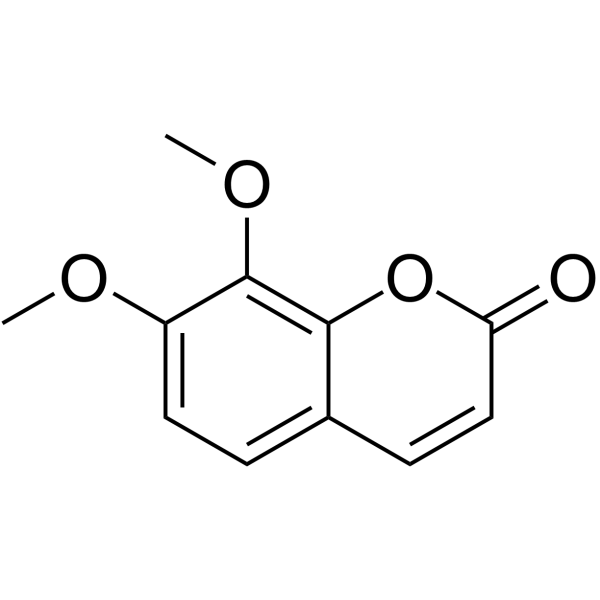
7,8-Dimethoxycoumarin is a coumarin compound derived from Artemisia caruifolia with oral activity. 7,8-Dimethoxycoumarin inhibits mitochondrial permeability transition pore and H +/K +-ATPase, and exhibits antioxidant, anti-inflammatory, renoprotective, neuroprotective and gastroprotective effects. 7,8-Dimethoxycoumarin reduces lipid peroxidation (TBARS), increases GSH levels, inhibits myeloperoxidase (MPO) activity, and regulates the expression of inflammatory factors by inhibiting the NF‑κB and MAPK pathways. 7,8-Dimethoxycoumarin ameliorates gastric mucosal injury, alleviates renal tissue lesions and relieves neuropathic pain. 7,8-Dimethoxycoumarin can be used in studies related to acute renal failure, trigeminal neuralgia and gastritis .
Cat. No.: HY-B1761
CAS No.: 481-06-1
Synonyms: Alpha-Santonin
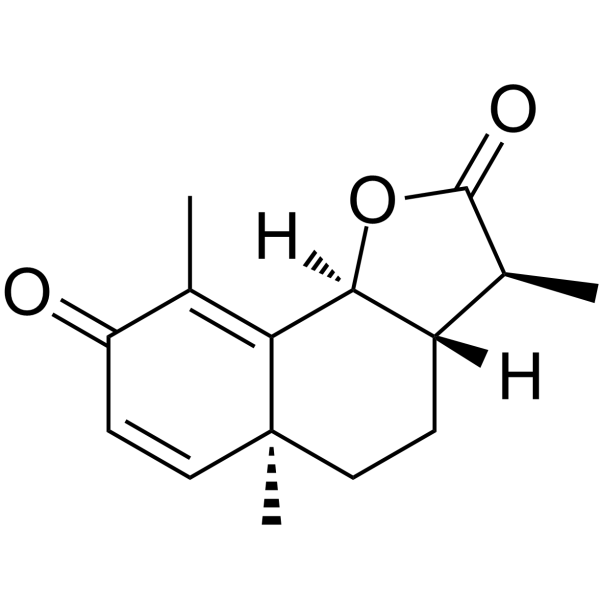
Santonin is an active principle of the plant Artemisia cina, which is formely used to treat worms .
Cat. No.: HY-16059
CAS No.: 84692-91-1
Synonyms: (+)-Arglabin
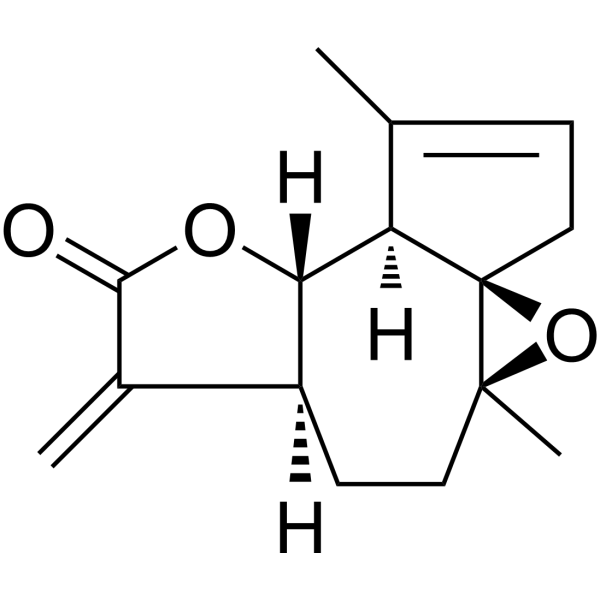
Arglabin ((+)-Arglabin), a natural product isolated from Artemisia glabella, is a NLRP3 inflammasome inhibitor. Arglabin shows anti-inflammatory and antitumor activities . The antitumor activity of Arglabin proceeds through its inhibition of farnesyl transferase which leads to the activation of RAS proto-oncogene .
Cat. No.: HY-N1984
CAS No.: 80286-58-4
Synonyms: Qing Hao acid; Artemisinic acid; Arteannuic acid
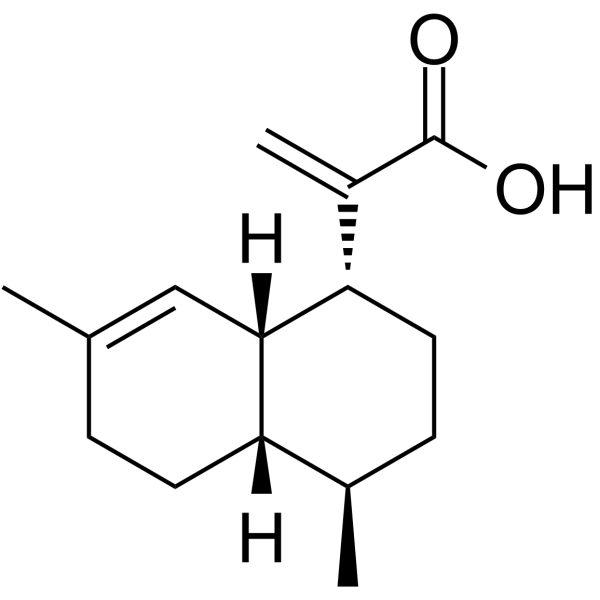
Artemisinic acid (Qing Hao acid) is a sesquiterpene that can be isolated from Artemisia annua L. Artemisinic acid is also an important precursor for the synthesis of Artemisinin (HY-B0094). Artemisinic acid has various pharmacological activities, such as antimalarial activity, antitumor activity, antipyretic effect, antibacterial activity, allelopathic effect, and anti-adipogenic effect .
Cat. No.: HY-N4089
CAS No.: 7431-83-6
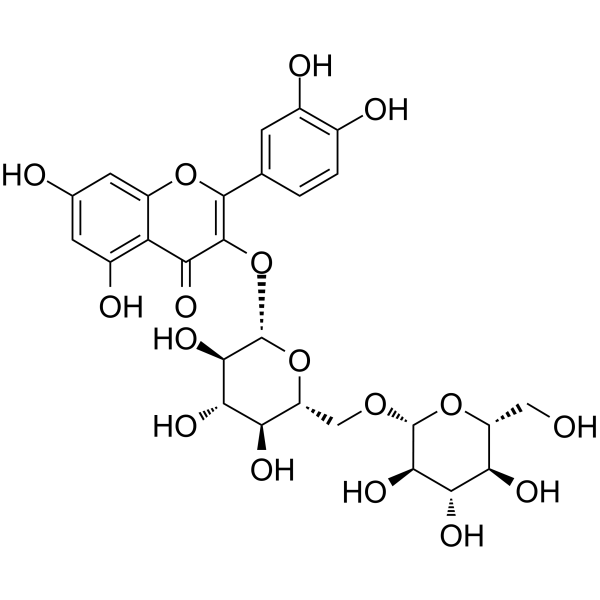
Quercetin 3-gentiobioside is a flavonoid found in Artemisia iwayomogi. Quercetin 3-gentiobioside inhibits aromatase with an Ki of 46.77 nM. Quercetin 3-gentiobioside inhibits aldose reductase (AR) and the formation of advanced glycation end products (AGEs), with IC50 values of 10.60 μM and 109.46 μM, respectively. Quercetin 3-gentiobioside inhibits proliferation of cancer cells and fibroblast-like synoviocytes. Quercetin 3-gentiobioside can be used for the research of cancer, such as lung carcinoma .
Cat. No.: HY-B1761R
CAS No.: 481-06-1
Synonyms: Alpha-Santonin (Standard)
Santonin (Standard) is the analytical standard of Santonin. This product is intended for research and analytical applications. Santonin is an active principle of the plant Artemisia cina, which is formely used to treat worms .
Cat. No.: HY-N6005
CAS No.: 3843-74-1
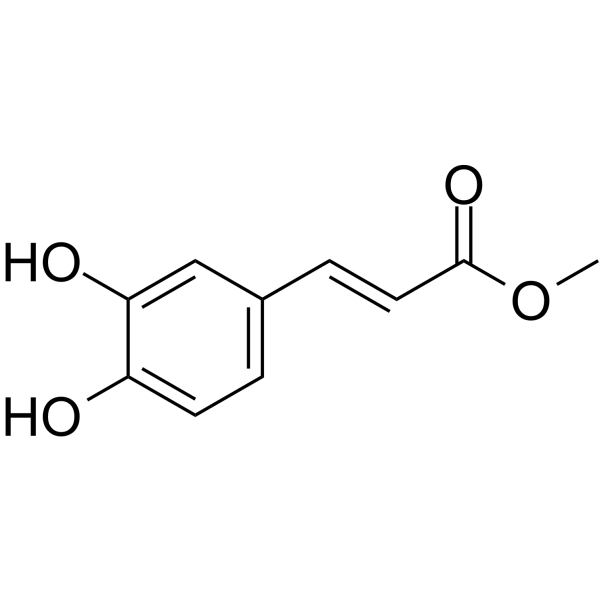
Methyl caffeate is a phenylpropanoid, antibacterial agent, and Apoptosis-inducing agent. Methyl caffeate can be isolated from the flowers of peach Prunus persica (L.). Methyl caffeate upregulates the expression of pro-apoptotic proteins Bid, Bax and p53, and downregulates the expression of anti-apoptotic protein BCL-2. Methyl caffeate downregulates SASP factors. Methyl caffeate enhances glucose-stimulated insulin secretion. Methyl caffeate inhibits the growth of Gram-positive bacteria, Gram-negative bacteria, fungi, and Mycobacterium tuberculosis strains. Methyl caffeate can be used in studies related to breast cancer, type 2 diabetes, and tuberculosis .

